Exploring extreme environments through photonic innovation
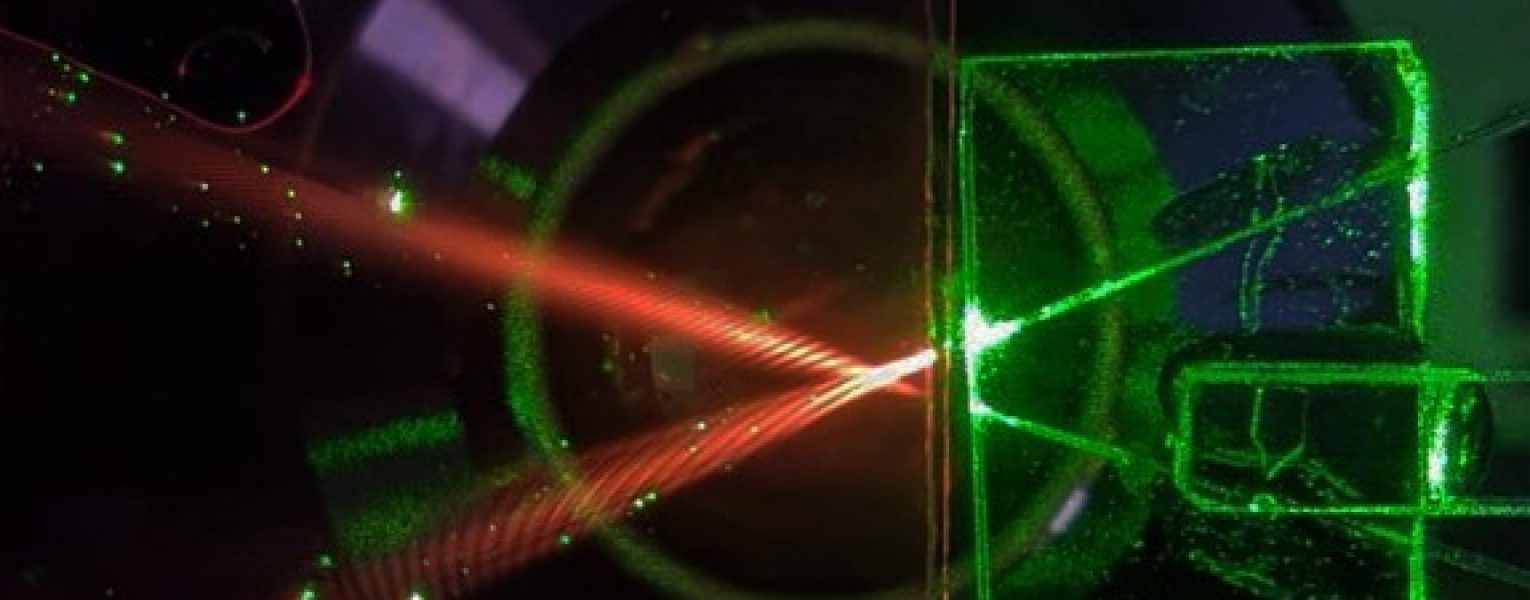
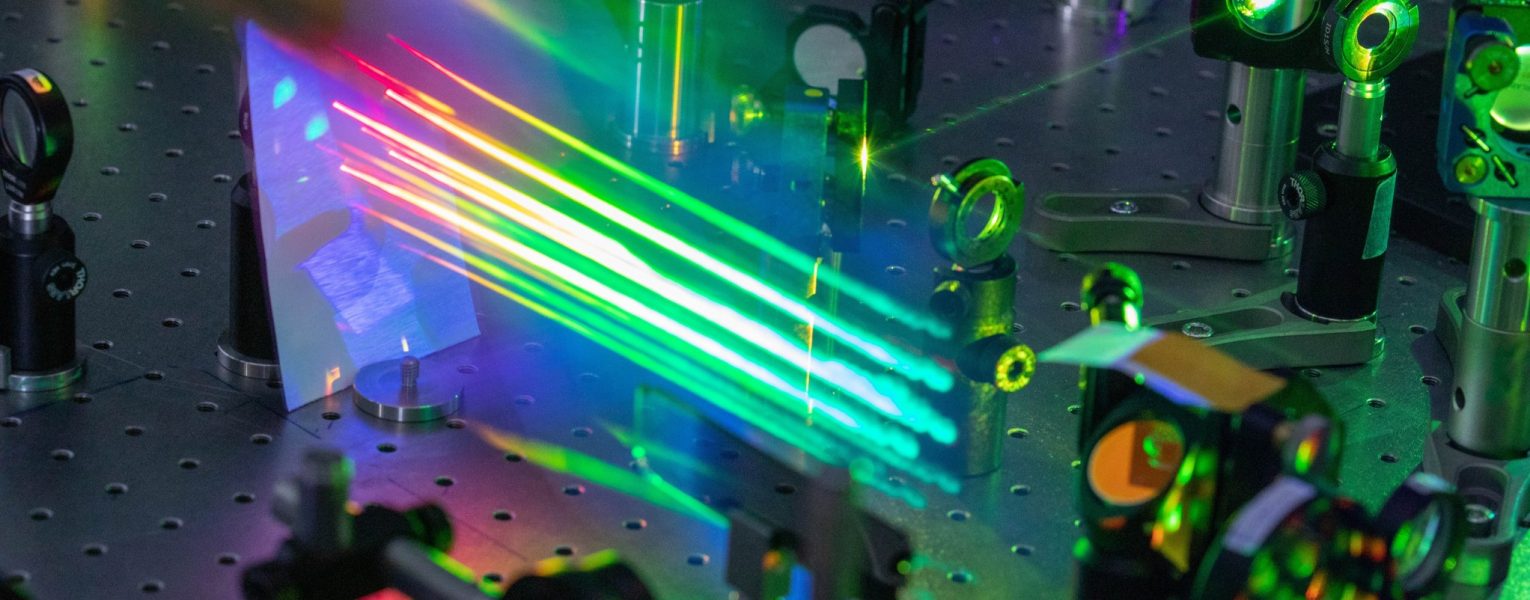
EXPLORER is a Marie Skłodowska-Curie Actions Staff Exchanges (MSCA-SE) project funded by the European Union under Grant Agreement No. 101235654, developing, validating and applying innovative photonic technologies to investigate extreme and remote natural environments in situ.
Through international and intersectoral mobility, the project brings together academic and industrial partners to exchange knowledge, develop skills and advance scientific research.


EXPLORER in numbers
15 Partners
- Politecnico di Milano
- the Italian National Research Council
- Aarhus University
- Universidad de La Laguna
- Charles University
- Commissariat à l’énergie atomique et aux énergies alternatives
- PIONIRS, srl
- Qsensato, srl
- University of Tokyo
- Universidad de La Frontera
- Lucendi, Inc.
- Boston University
- The University of New South Wales
- Hokkaido University
- Universidade Federal de Minas Gerais
4 Continents
- Europe
- America
- Asia
- Oceania
11 Countries
- California
- Massachusetts
- Chile
- Brasil
- Spain
- Denmark
- France
- Italy
- Czech Republic
- Japan
- Australia
8 Innovative technologies
- Micro and nano laser fabrication.
- Portable microscopes for advanced imaging
- Hyperspectral camera
- Raman spectroscopy
- Time-domain diffuse optical spectroscopy
- Time-resolved fluorescence spectroscopy/imaging
- Integrated optically-pumped magnetometer
- Microfluidics and Lab-on-a-Chip (LOC) devices
4 Natural ecosystems
- Hot springs in active volcanic regions.
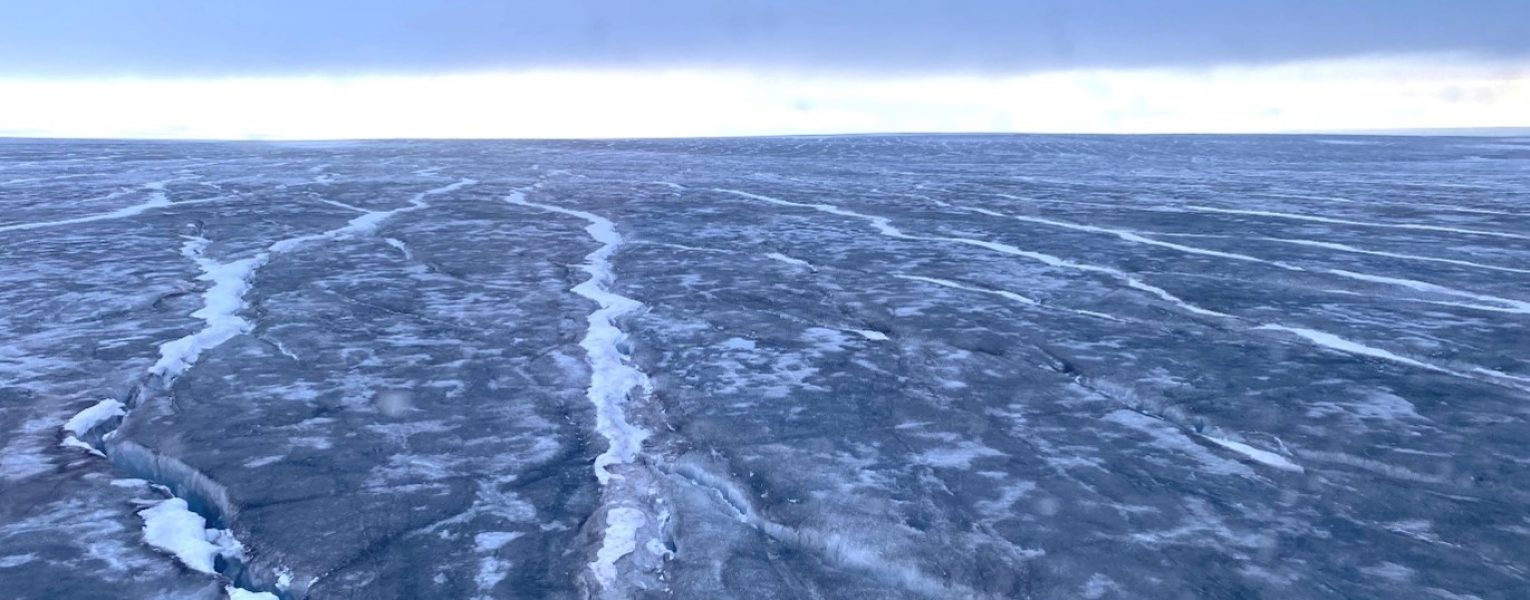
- Remote icy or snowy regions
- Deep lake/sea beds
- Remote and contaminated natural environments
3 Companies
- PIONIRS, srl
- Qsensato, srl
- Lucendi, Inc.